Custom Websites Engineered for Speed, AODA/WCAG Compliance & High Conversion
Your website is your company's primary digital flagship and 24/7 revenue engine. We engineer custom responsive websites, enterprise portals, and headless e-commerce stores designed for sub-second Core Web Vitals, complete WCAG/AODA accessibility compliance, and measurable B2B lead generation.
Websites Designed
Client Satisfaction
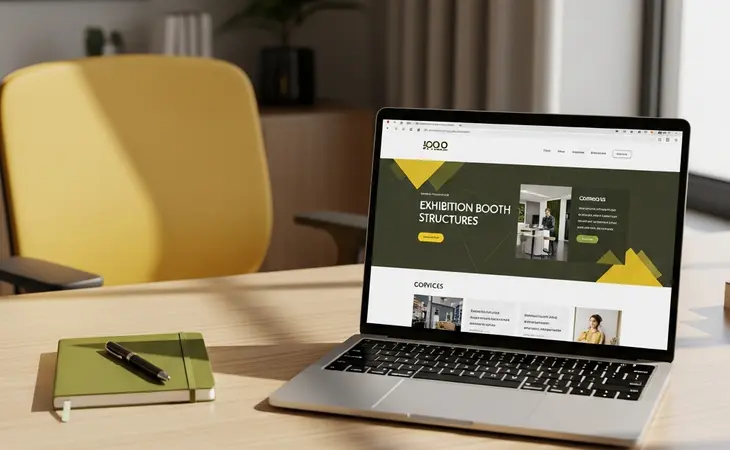









Design Custom and Targeted
We don't just install a ready-made template; we create growth tools for your business tailored to your needs.
Online Store (E-Commerce)
An experience similar to Digikala for your customers. Your store sells even when you're asleep. Bank gateway connection, inventory system, discount codes, and advanced product filters.
Corporate Website
Showcase Brand Authority and Credibility
Landing Page
Single-purpose pages for advertising campaigns focused on sales.
Redesign
Transforming old websites into modern, profitable platforms.
UI/UX Design
We understand the user's eye path. Dedicated graphic design before coding.
Speed and Mobile-Friendly
Your website looks even better on mobile than on desktop and loads at rocket speed.
Process Website Creation You
Transparent, engineered, and bug-free
Needs Discovery
We'll have coffee together and discuss your preferences, goals, and competitors.
UI/UX Design
Before coding, you'll see and approve the website's graphic layout.
Coding
The technical magic begins, and designs come to life with clean code.
Testing and Delivery
You receive the bug-free website and learn how to manage it.
Visibility (SEO)
Is your website ready? Now, with our SEO services, reach the first page of Google.
The Difference Money-Making Website With a standard website
Engineered User Experience (UX)
Many websites merely occupy a space on the internet. However, our websites are your active employees. We understand the user's visual path; buttons and menus are precisely where the user needs them for 'purchase'.
Truly Responsive
More than 70% of your customers visit from mobile devices. We design your website to be even more beautiful and functional on mobile phones than on desktop.
Conversion Rate (Conversion)
+200%Design
Custom UI
Our Showcase of Achievements
Latest experiences created by the Hashiyeh Graphic team for top brands.
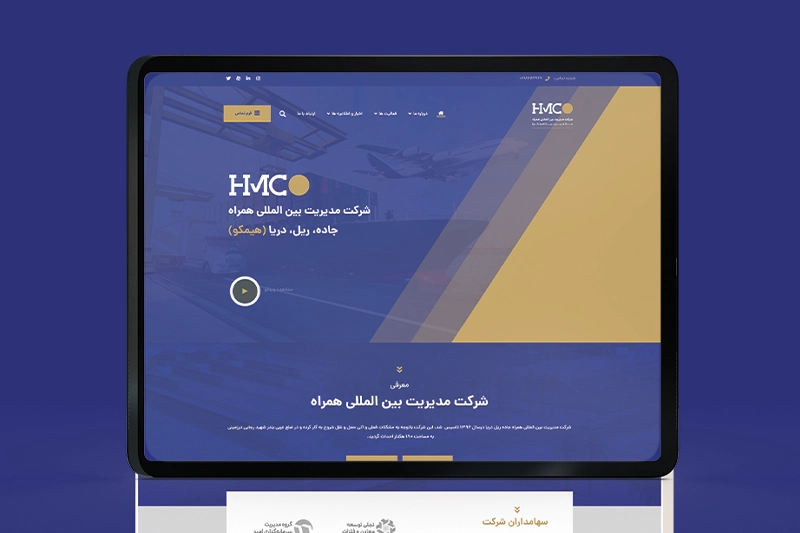
Himco International Management
Holding company website design with a focus on organizational prestige and introducing subsidiaries.
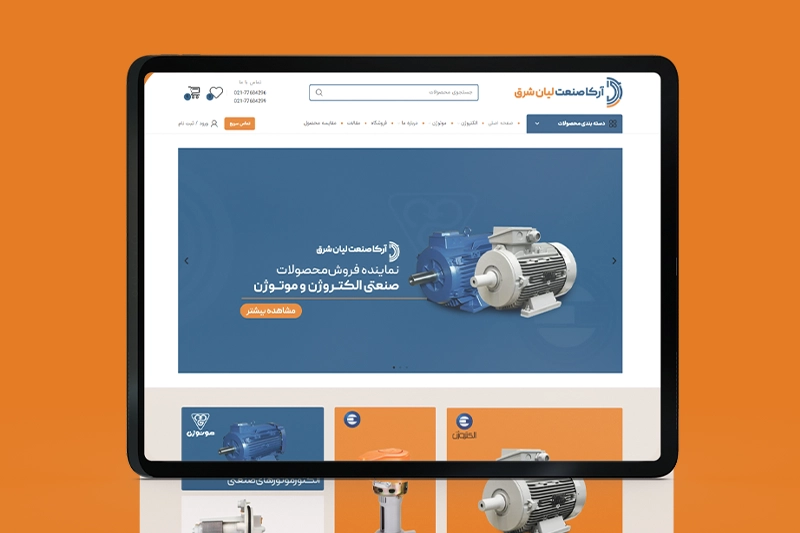
Arka Sanat Lian Shargh
Specialized industrial website for showcasing industrial engine equipment and parts.
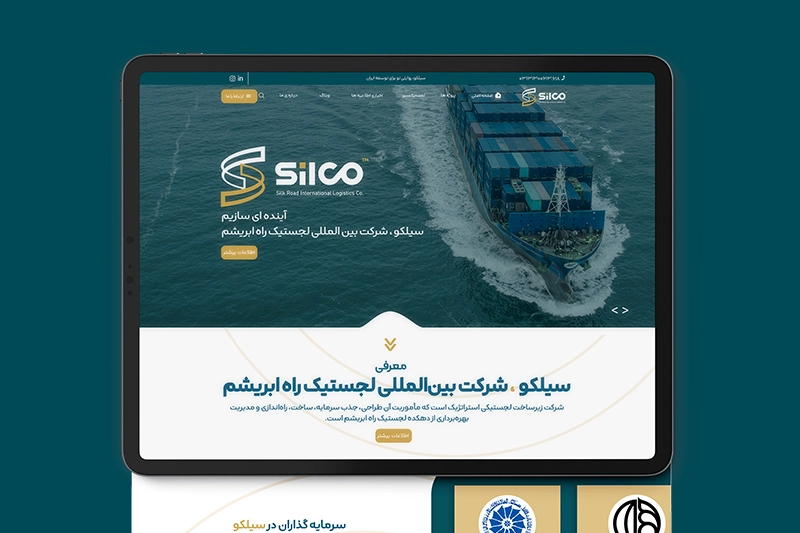
Silk Road Logistics (Silco)
International corporate website in the field of transportation and cargo transit.
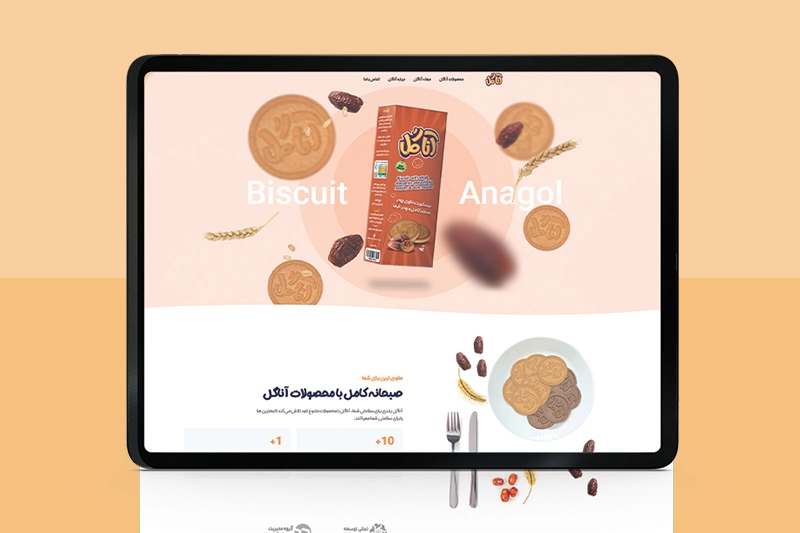
Anagol Functional Products
Showcasing health-oriented products with fresh and organic graphic design.
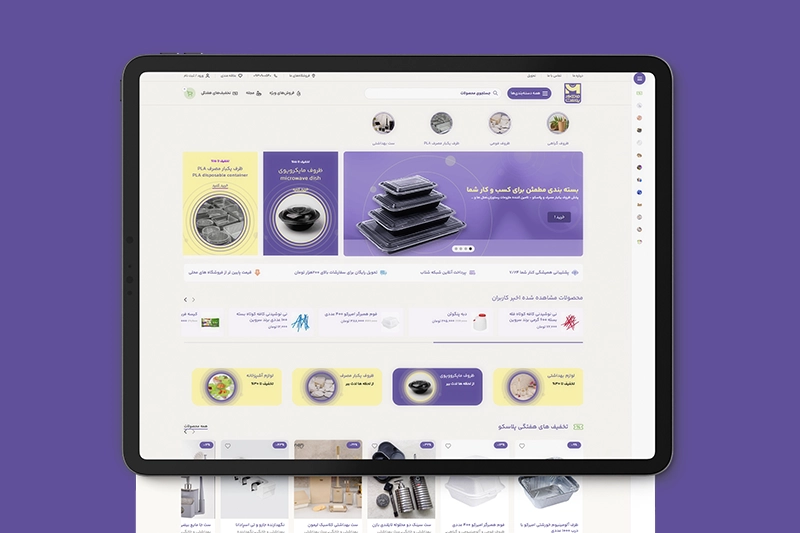
Mahoor Plast
Digital catalog for plastic products with advanced filtering capabilities.
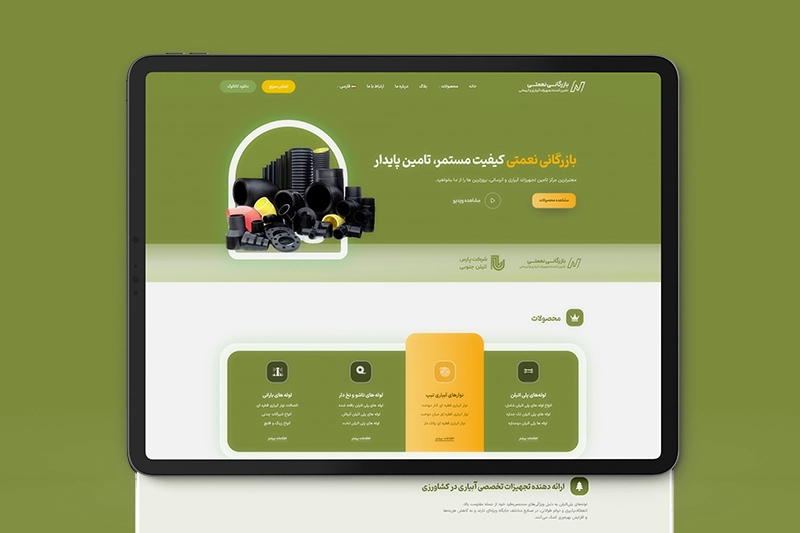
Nemati Trading
Platform for showcasing commercial and customs clearance services with a modern user interface.
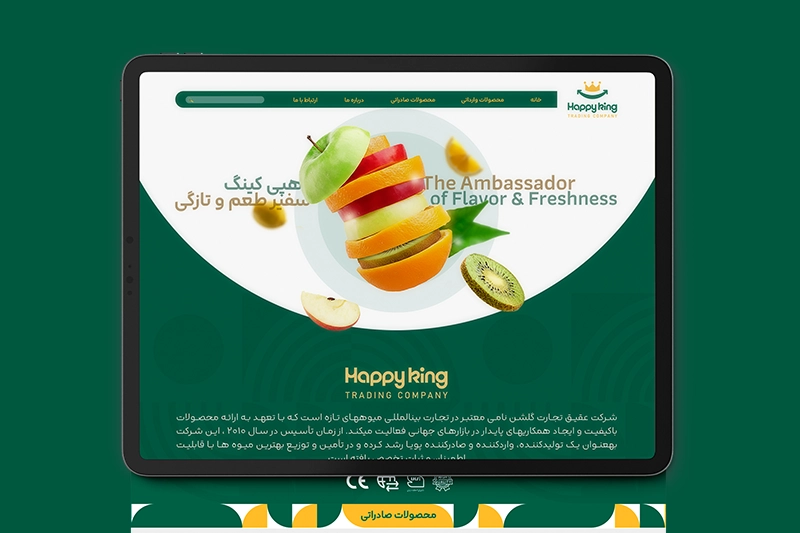
Happy King (Aghigh Tejarat)
Corporate and Commercial Website Design for Showcasing Exported Dried Fruit Products.
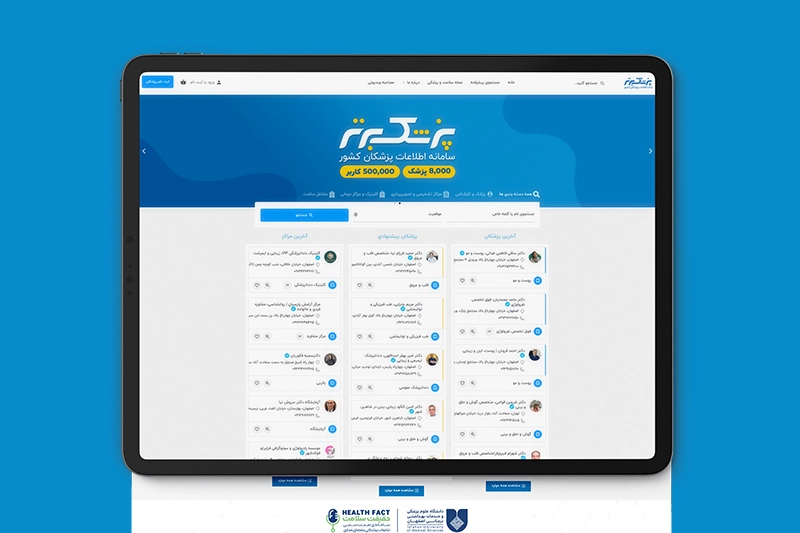
Pezeshk Bartar
Comprehensive System for Doctor Introduction and Appointment Booking with a Dedicated User Panel.
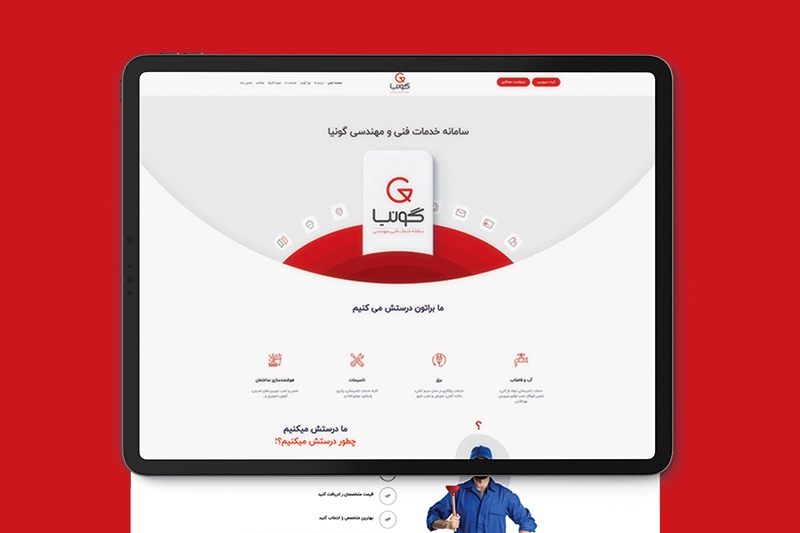
Gooniya Online System
Platform for Technical and Construction Service Requests (PWA and Website).
Creators Unique Ideas
.webp)
Hamidreza Amini
CEO & Founder
.webp)
Saeid Khedmatkon
Sales Manager
.webp)
Pouya Asfarjani
Head of Design Studio
.webp)
Fatemeh Bazaee
Social Media Manager
.webp)
Omid Motamedi
Web Supervisor
.webp)
Parisa Savadkoohi
Website & SEO Specialist
.webp)
Pouya Salehi
Website & SEO Specialist
.webp)
Arefeh Naghipour
Editor
.webp)
Saba Mohammadi
Instagram Specialist
.webp)
Mohammad Ahmadi
Social Media Expert
.webp)
Bahar Bayat
Sales Specialist
.webp)
Reyhaneh Maroufi
Editor
Plans Exclusive Online Presence
Transparent Packages Based on the Real Needs of Small, Large, and Online Businesses.
Basic Plan
Suitable for Small Companies
-
Analysis and Needs Assessment Initial Review
-
UX Design Customization of Ready-made Template
-
Graphic Design and Template Ready-made Template Customization
-
Technical and Implementation Fast and Standard
-
Technical Infrastructure Implementation on WordPress Platform
-
Number of Pages Design of 4 Main Sections (Homepage, About Us, Contact Us, Blog)
-
Technical Support 1 Year
- Without Google Tools
Growth Plan
Suitable for Large Companies
-
Analysis and Needs Assessment Deep strategy formulation
-
UX Design Custom UX design
-
Graphic Design and Template Custom UI design + 2 landing page designs
-
Technical and Implementation Distinctive and optimized
-
Technical Infrastructure Implementation on WordPress platform with custom theme
-
Number of Pages Design of 4 main sections + 2 service landing pages
-
Technical Support 1 Year
-
Google tools Connection to Analytics and Search Console
Custom design with React
Scalable, secure, and with unparalleled speed
-
Custom design Custom UI/UX design without pre-made templates
-
Exceptional speed Optimized fast frontend loading SPA/SSR
-
Maximum security Secure frontend architecture and hack-resistant
-
High scalability Endless upgradeability for custom corporate features
-
Technical SEO Optimized structure, dynamic meta tags, and fast indexing
-
Integrated blog Very easy content management with WordPress panel
-
Gold Support 1 year of security monitoring and continuous technical support
-
Google tools Professional Search Console and Analytics configuration
Special E-commerce Plan (VIP)
Specialized design for large online stores
This plan is the most comprehensive solution for online sales, equipped with a payment gateway, inventory system, smart order management, basic accounting, and stunning loading speed.
Full Features and Details of the E-commerce Plan:
-
Market Strategy and Analysis Competitor Analysis and Custom Smart Sales Funnel Design
-
Custom E-commerce UX Design Optimizing User Shopping Experience for Conversion Rate Increase
-
Custom UI and 2 Sales Landing Pages Distinct Visual Design and Custom Campaign Landing Pages
-
WooCommerce E-commerce System Powerful Infrastructure with Fast Shopping Cart and Checkout
-
Payment Gateway and SMS System Connection to Bank Gateways and Order Status SMS Messaging
-
Inventory Management and Product Variety Defining Various Features (Color, Size) and Discount Codes
-
1-Year Special Technical Support Resolving Security Issues, Regular Backups, and Continuous Technical Support
-
Integration with Google Analytics Tools Complete Setup of Google Search Console and Analytics
Your Digital Showroom
Launch it Today!
A professional website is your business's most reliable 24/7 representative. Custom, modern design tailored to your brand's needs.
Free Website Design Consultation
Questions Frequently Asked Questions About Website Design
Answers to Your Key Questions Before Ordering a Website Design
A Content Management System (CMS) like WordPress has a ready-made, secure, and standard core, which makes the development process faster, more affordable, and more reliable. This option is the best and most logical choice for 90% of corporate, news, and e-commerce websites (with the help of WooCommerce). In contrast, custom coding (e.g., with React, Vue, or Laravel) is usually recommended for specific startups with innovative ideas and complex processes that do not fit within the standard WordPress structure, and it requires more time and expense.
Yes, absolutely. Many large global brands with thousands of diverse products use WooCommerce. The key is "optimized design," using lightweight and standard themes, and hosting on high-quality servers. If the WooCommerce theme is custom-designed and the database is optimized, it can manage a very high volume of traffic and products without any issues.
A standard corporate website with custom design usually takes between 2 to 3 business weeks. For a complete online store (based on WooCommerce) with advanced features, this time varies between 3 to 5 weeks. This timeframe is dedicated to precise stages such as: needs assessment meetings, User Interface (UI) design, coding and implementation on WordPress, content entry, and final Quality Assurance (QA) testing.
Yes, absolutely. One of the main advantages of using popular systems like WordPress and WooCommerce is their fully Persian, visual, and extremely simple administration panel. After project completion and the necessary training provided by our team, you can easily, and without any coding knowledge, write new articles, add new products, change prices, and manage orders.
The Modern Website Playbook: Speed, UX, Accessibility (WCAG/AODA) & Conversions
Introduction: The Website as Your Core Revenue Infrastructure
In modern business, your website is your digital global headquarters, operating 24 hours a day, 7 days a week. It is the only digital asset your business wholly owns and controls—free from the sudden algorithm updates, fee hikes, or policy changes of third-party platforms and social channels. No matter how much capital you invest in performance advertising, if prospective buyers land on a sluggish, cluttered, or confusing website, your acquisition budget is immediately wasted.
Modern web engineering extends far beyond visual aesthetics. Whether your objective is launching an enterprise corporate portal to win market share or deploying a high-volume online store to serve national and cross-border customers, the foundational criteria remain unchanged: frictionless user experience, accessibility compliance (WCAG/AODA), sub-second page speeds, and clean semantic architecture. In this guide, we examine the critical anatomy that separates an ordinary website from a high-converting digital asset.
Chapter One: Visual Architecture and User Interface (UI Design)
The first thing a user sees is the website's appearance. Research shows that users' judgment about your brand's credibility and trustworthiness is formed in less than 0.05 seconds (50 milliseconds) and solely based on visual design. If you lose these golden seconds, regaining user trust is almost impossible.
1. Visual Hierarchy
The most important principle in web design is guiding the user's eye. A professional web designer intelligently uses size, color, contrast, and spacing to create an invisible path that dictates what the user sees first, what text they read second, and finally, what button they click.
Font selection goes beyond aesthetics; the font is the voice of your brand. Using readable and standard web fonts (such as Vazirmatn, Iran Sans, or Peibda) with various weights (Bold, Light, Extra Bold) is essential for clearly distinguishing headlines from body text. For example, bold headlines attract attention, while body text with appropriate line-height makes reading long articles easy.
The empty space between elements is not "empty" or "wasted"; rather, it is a powerful tool for design to breathe. Correct use of white space (macro and micro) makes the main content stand out, reduces eye strain, and gives the user a sense of order and calm. Luxury websites typically use more negative space to convey a sense of exclusivity.
Users don't read websites; they scan them. Designers use proven patterns such as the F-pattern (for content-heavy sites) and the Z-pattern (for landing pages) to ensure that the main message is in the natural path of the user's eye movement.
2. The Psychology of Colors in Web Design
A website's color palette should reflect the brand's identity and personality, but more importantly, it must be functional and guiding.
-
The 60-30-10 Rule
This is a golden standard formula in web design. 60% dominant color (usually neutral or background to maintain readability), 30% secondary color (the brand's main color for headers and graphic elements), and 10% accent color, which should be a contrasting and attractive color used solely for important Call-to-Action buttons like "Buy Now" or "Contact Us".
-
Contrast
Text must have full readability against the background. Low contrast (e.g., light gray text on a white background or blue text on a black background) is one of the biggest design mistakes, as it destroys accessibility and frustrates users, especially in brightly lit environments or with poor displays.
3. Grid & Layout
Professional websites are engineered based on Grid Systems. This invisible order ensures all elements (images, text, buttons) are aligned and in mathematical proportion, conveying a sense of balance, stability, and professionalism to the user's subconscious.
Chapter Two: User Experience (UX); The Beating Heart of Interaction
If UI is the car's sleek appearance and body, UX is its powerful engine, suspension system, and handling. A beautiful but confusing website will drive users away. A website must be "Usable" and "Intuitive".
1. Navigation & Information Architecture
The user should not feel lost, not even for a moment. Menu structures must be logical and predictable.
A golden rule in UX that states a user should be able to reach any important content on the site (such as a final product page or contact form) from the homepage within a maximum of 3 clicks. Each additional click increases the Bounce Rate.
For large e-commerce or corporate websites, using mega menus that display categories visually and in columns provides quick access to subcategories.
The website header that remains at the top of the page as the user scrolls down. This feature ensures navigation access on long pages and increases conversion rates.
A navigational path usually seen at the top of internal pages (e.g., Home > Products > Mobile > Samsung) so the user knows exactly where they are and can easily navigate back.
2. Speed and Technical Performance (Web Performance)
In modern web design, speed is not just a technical feature; it's a vital part of user experience and design. Clean Code and optimized code ensure that the site loads quickly even on slow internet connections. Adherence to factors such as Technical SEO Checklist Before Site Launch Ensures complete alignment of the design with search engine requirements.
- Lazy Loading: Lazy Loading: A smart technique where images, videos, and maps are only loaded when the user scrolls to that section of the page. This significantly reduces the initial load size of the website.
- Modern Formats: Replacing older formats like JPG and PNG with next-generation formats such as WebP and SVG, which offer higher quality and significantly smaller file sizes, dramatically improves loading speed.
- Core Web Vitals: Adherence to critical Google factors (CLS, LCP, INP) in design is essential. For example, preventing sudden shifts of elements during loading (CLS) that cause accidental user clicks.
3. Accessibility (Accessibility - A11y)
An ethical and professional website must be usable by all people, regardless of physical abilities. This includes adhering to color contrast standards for colorblind or visually impaired individuals, the ability to fully navigate the site using only a keyboard (Tab Navigation) for those who cannot use a mouse, and the correct use of Alt tags for images so that screen reader software (Screen Readers) can describe image content for the blind.
Chapter Three: Types of Websites and Their Specific Standards
Every website has a specific mission, and its design must align precisely with that mission. A one-size-fits-all approach does not work.
1. Corporate Websites (Corporate)
- Goal: Building trust, B2B branding and service introduction.
- Design Features: Use of formal corporate colors, special focus on the "About Us" page to tell the brand story, displaying certifications, awards, and customer testimonials (Social Proof) to build trust. The structure should be formal, organized, and data-driven.
2. Online Stores (E-Commerce) and the Role of WooCommerce
Goal: Facilitating the direct buying and selling process of products.
Robust E-Commerce Architecture: Modern online stores must combine rock-solid inventory synchronization, multi-currency payment gateways, and friction-free single-page checkout flows. Whether deploying on WooCommerce or custom headless architectures, strict adherence to e-commerce UX principles directly elevates average order value (AOV) and lowers cart abandonment.
3. Portfolio Websites (Portfolio)
Goal: Showcasing skills, creativity, and completed projects (suitable
for architects, photographers, designers).
Features: Use of full-screen, high-quality images,
attractive visual effects, asymmetrical or masonry galleries (Masonry), and maximum
focus on the project's visual details instead of long texts.
4. Landing Pages (Landing Pages)
Goal: Laser focus on a specific action (selling a specific product,
webinar registration, e-book download).
Features: Complete removal of navigation menu and footer (to close
exit routes and keep the user on the page), intense focus and repetition of the call-to-action
button (CTA), use of visual storytelling.
Chapter Four: Responsiveness (Responsiveness) and Adaptability
Today, users browse the web on a wide range of devices, from small smartwatches to 80-inch televisions. Your site must adapt appropriately, like flowing water taking the shape of any container.
1. Mobile-First Approach (Mobile-First)
In this modern methodology, the designer first creates the mobile version and then expands it for larger screens. The reason for this is the limited space on mobile, which forces the designer to retain only the "most essential" and "most important" elements. This approach results in a final website version (even on desktop) that is cleaner, faster, and more focused.
2. Breakpoints
A standard website should behave differently at various breakpoints:
- • Mobile (below 600px): Menus convert to a hamburger icon, columns become single-column.
- • Tablet (600px to 900px): Layout typically becomes two-column, fonts are slightly larger, and spacing is optimized for touch.
- • Desktop (above 1200px): Utilizes full page width, displays full menus and hover effects.
3. Touch Targets
On mobile and tablet versions, there is no precise mouse cursor, and the user's finger is the interaction tool. All buttons, links, and menu items must have a minimum size of 44x44 pixels, and sufficient spacing should be maintained between them so that the user can easily and accurately tap them.
Chapter Five: Modern Technologies in Web Design (2025 Trends)
Websites are living entities that evolve in step with technological advancements. Remaining in the past means the gradual death of a site.
1. Dark Mode
This feature is no longer a fantasy, but a user necessity. Dark Mode allows the user to change the site's theme. This feature is crucial for reducing eye strain at night and decreasing battery consumption on OLED devices.
2. Microinteractions
Subtle animations that occur in response to user behavior and give the site a sense of being alive. Such as a button changing color when the mouse hovers over it, or a heart animation when liking.
3. Progressive Web App (PWA)
A revolutionary technology that transforms a website into a mobile application. PWA offers the ability to be installed on the phone's home screen (without needing an app store), send notifications, and even function offline.
Chapter Six: Popular Infrastructures; Why WordPress and WooCommerce?
Website design is not just about appearance; the engine that runs the site and the management panel provided to you determine the final quality.
1. WordPress; The Global Standard
WordPress powers over 43% of all websites globally, functioning as a robust, secure, and infinitely extensible enterprise content management system. When engineered with bespoke themes and clean database structures, it delivers blazing performance, rock-solid security, and intuitive daily management for your marketing teams.
- Custom Architecture & Clean Code: We engineer custom themes tailored precisely to your brand guidelines and business logic, avoiding bloated third-party templates that compromise page speed and code maintainability.
- Infinite Extensibility: Seamlessly integrate custom booking workflows, member portals, headless CRM synchronizations, and secure enterprise learning systems.
2. WooCommerce; The Most Powerful E-commerce Platform
When it comes to launching an online store on the WordPress platform, WooCommerce is the undisputed king.
- Absolute Flexibility in Product Design: WooCommerce allows designers to create distinct appearances and functionalities for various product types (physical, downloadable, virtual, variable).
- Scalability: Contrary to public perception, a WooCommerce store that is properly and optimally designed can manage from 10 products to 10,000 products and thousands of orders without a drop in quality.
Chapter Seven: Strategic Guide to Selecting the Right Web Development Partner
Selecting the right technical agency is your most critical digital decision. A true technology partner does not merely build pages; they act as a consultative extension of your leadership team, engineering digital assets designed to scale revenue and build market authority.
1. Technical & Engineering Criteria
Evaluate technical teams based on code quality, design fidelity, and measurable business outcomes:
• Bespoke Design vs. Pre-made Themes: Insist on custom design systems tailored to your customer journey, rather than sluggish off-the-shelf templates loaded with unused scripts.
• Speed & Accessibility Standards: Verify that sub-second loading, Core Web Vitals (90+ score), and accessibility standards (WCAG 2.1 / AODA) are built into the foundational architecture.
2. Commercial Transparency & Scope
Clear milestone definitions ensure predictability, accountability, and project success:
- • Architecture Scope: Clear delineation of custom UI/UX design, component development, and third-party integrations.
- • Technology Stack: Selecting the optimal tech stack (tailored WordPress/WooCommerce vs. headless React/Next.js) aligned with long-term goals.
- • Integrations: Seamless CRM, payment gateway, ERP, and marketing analytics synchronizations.
3. Managed Technical Support & Growth
High-performing websites require active server maintenance, security patching, and ongoing optimization. Pair web development with dedicated SEO & Organic Growth and Managed Technical Maintenance to protect your investment.
The Ultimate Checklist: Features of a "Good" and Standard Website
If you want to assess the quality of a website, this is your ultimate checklist:
Strategic Summary
Your website is not an expense—it is your most valuable digital asset and 24/7 commercial representative. By fusing high-converting UI/UX design, rock-solid engineering, and technical SEO from day one, HGR Agency creates digital experiences that captivate prospective buyers, command market authority, and turn traffic into predictable enterprise growth.
Related Services
- E-commerce Website Design
- Corporate Website Design
- Landing Page Design
- Redesign and Modernization
- SEO and Optimization
Ready to Boost and Grow Your Brand?
Consult with Hashiyeh Graphic's senior advisors and receive a customized digital success roadmap for your brand.